


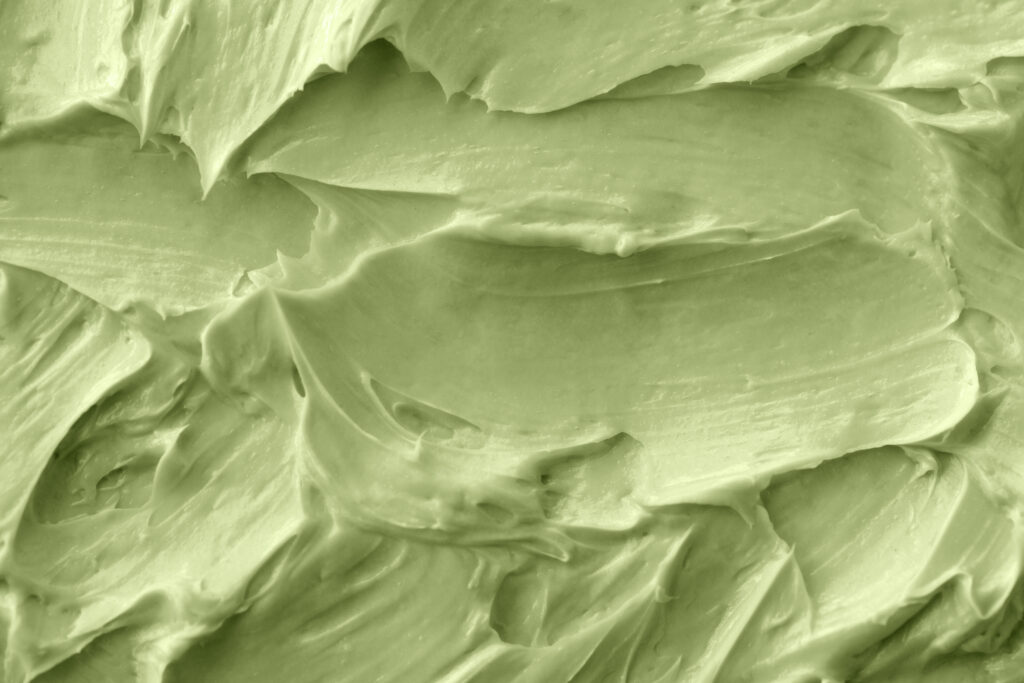
Discover how natural cosmetics ingredients are changing the perception of colour in cosmetics, resonating with today’s conscious consumers.
In the evolving cosmetics industry, the concept of a natural cosmetics ingredient has moved beyond marketing buzzwords. Today’s consumers want authenticity, traceability, and science-backed performance… and they’re not afraid of colour.
- 77% of Gen Z say a “natural look and feel” is a key factor when choosing personal care products (Source: Mintel, 2023)
- 63% of beauty shoppers find that “too much polish” actually makes a product feel less authentic (Source: NielsenIQ, 2024)
- And 88% of global consumers want brands to help them be more environmentally responsible (Source: Forbes, 2023)
While conventional formulations often prioritise visual neutrality — such as clear gels, white creams or pale emulsions — this aesthetic standard comes from an era when “clean” meant “colourless”. In the past, any sign of natural pigment in a cosmetic product might raise eyebrows: “Is this stable?”, “Is it safe?”, “Will it stain the skin?”
So, what now?
What makes a natural cosmetics ingredient stand out?
The colour of a natural cosmetics ingredient can say more about its potency than any marketing claim. Green hues, for example, often indicate the presence of chlorophylls, carotenoids and polyphenols — compounds known for their antioxidant, regenerative and anti-inflammatory properties. These molecules are not just incidental pigments; they are part of what makes an ingredient effective.
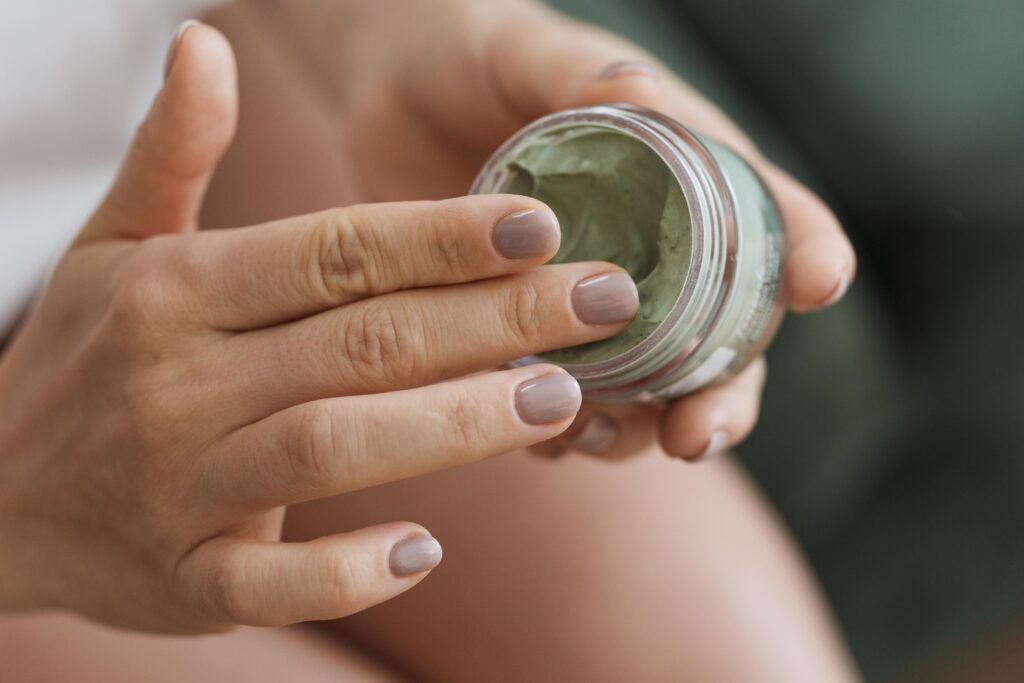
In this sense, colour becomes a visible signal not just of natural origin, but of functional integrity. When a green pigment remains in a formulation, it often suggests that the ingredient was processed with care: gently extracted, minimally refined, and chemically preserved in its active form.
More than an aesthetic trait, colour is emerging as a code for performance. And consumers are beginning to read it fluently.
The opportunity for formulators and brands
In an increasingly sceptical market, colour can differentiate a product in meaningful ways. It can tell a story of proximity to nature, of transparency in processing, and of scientific credibility.
In branding, colour also plays a symbolic role. Green, in particular, is associated with nature, health, sustainability and vitality. In the context of cosmetics, it signals transparency and trust, especially when a product visibly reflects the source ingredient.
Rather than deconstruct and reassemble actives for the sake of visual uniformity, formulators can embrace the truth of their ingredients and use it as a visual and narrative asset.
This approach builds trust. It satisfies a growing consumer desire not only for efficacy, but for realness. And it reflects a broader shift in the beauty industry: away from polished perfection, and toward purpose-driven formulation.
Formulating with visible actives
Natural colours can introduce formulation challenges, including concerns about stability, oxidation, or sensory perception. However, when well-managed, visible actives become a point of differentiation.
Through strategies like antioxidant pairing, protective emulsification and smart packaging design, colour-rich ingredients can be stabilised without compromising their integrity.
Many brands are now choosing to work with colour rather than against it — not just for visual impact, but to tell a richer story about what’s in the product, where it comes from, and why it works.
Case example: InAlgae® AOX
At Ínclita Seaweed Solutions, this philosophy is central to how we develop actives.
InAlgae® AOX is a marine-derived antioxidant extracted from Fucus vesiculosus, a brown seaweed native to the North Atlantic. Its green hue is the result of a carefully designed, solvent-based extraction that preserves chlorophyll, fucoxanthin and polyphenols.
And the colour isn’t just for show — it reflects measurable performance:
- 87.5% more antioxidant efficiency than green tea extract
- 72% more effective in reducing melanin production than Ascorbic Acid
- 9.9% increase in skin cell regeneration
Rather than neutralise the colour, we choose to preserve it. Because it is part of what makes the ingredient low in carbon footprint, powerful and complete.

Final thoughts: Colour as proof, not flaw
The future of cosmetics is more transparent, more scientific and more real.
In that future, the colour of a natural cosmetics ingredient is not something to be filtered out. It is something to be embraced. It provides visual proof of efficacy, origin and care. It reflects not only what the ingredient is, but also what the brand stands for.
For brands and formulators alike, the message is clear: green is not a problem. It is a proposition.
Let your ingredients speak for themselves and let their colours be part of the story. Are you ready to start your next story?
We collaborate with formulators, product developers and brand leaders who believe that transparency, efficacy and authenticity are worth showing.
Or reach us directly at sales@inclitaseaweedsolutions.com


